
The Ultimate Guide to Chemical Drum Labels: Templates, Requirements, and Expert Tips
Chemical drum labels play a vital role in ensuring safety, regulatory compliance, and clear communication in industries handling hazardous materials. Improper labeling can lead to serious risks, including safety hazards, legal fines, and operational disruptions. In this complete guide, we’ll explore the key aspects of chemical drum labeling, from requirements to templates, while offering actionable advice from an experienced packaging manufacturer.
What Are Chemical Drum Labels and Why Are They Important?
When dealing with chemicals, clear and compliant labeling isn’t just important—it’s non-negotiable. Chemical drum labels are designed to communicate critical information about the contents of chemical containers, often spanning a variety of regulatory, safety, and handling instructions. This applies to all container types, including the widely used 55-gallon drums.
Having incorrect or missing labels can result in serious consequences, such as accidents during shipping or worker injury. By selecting high-quality Chemical Drum Labels, businesses ensure adherence to regulations, minimize liability, and enhance operational safety.
Understanding Drum Labeling Requirements
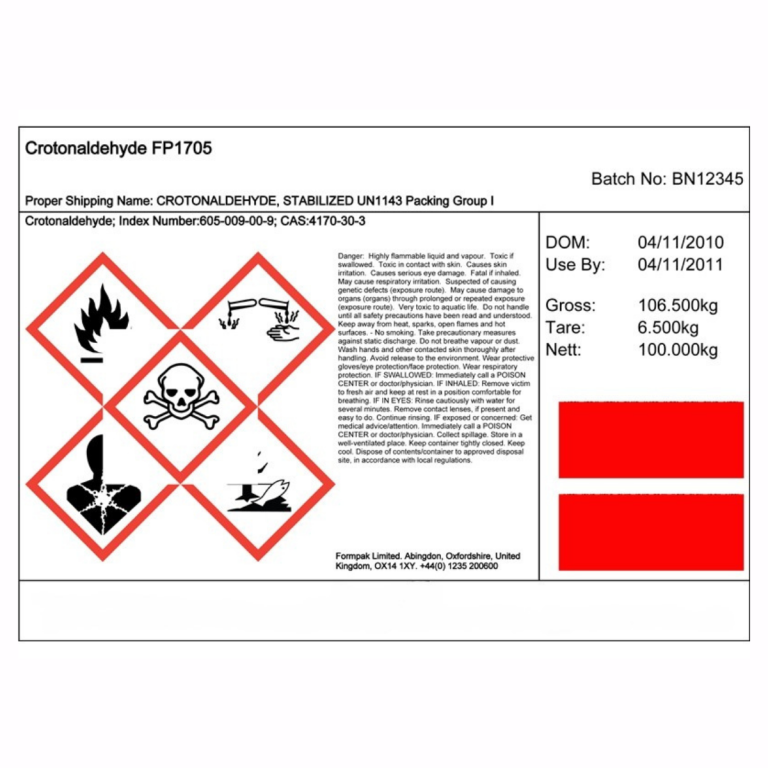
Labeling chemical drums requires compliance with several key regulations, particularly if the materials are classified as hazardous. In the United States, OSHA’s Hazard Communication Standard (HCS) and GHS (Globally Harmonized System of Classification and Labeling of Chemicals) set the framework for labeling requirements. These regulations outline critical elements, including:
- Product identifier: Chemical or product name as it appears on the Safety Data Sheet (SDS).
- Signal word: Words like “Warning” or “Danger” to indicate severity.
- Pictograms: GHS-approved symbols for hazards.
- Precautionary statements: Guidelines for safe handling, storage, and disposal.
- Supplier information: Name, address, and contact details of the manufacturer or distributor.
Additionally, drum labeling requirements may include compliance with transportation regulations from agencies like the U.S. DOT or international equivalents. Staying informed about these regulations guarantees both safety and legal compliance.
How to Create Effective Chemical Drum Labels
Designing chemical drum labels can be challenging, but the right approach ensures both effectiveness and compliance. Below, we provide a step-by-step guide to creating and utilizing drum labels, with insights from our real-world experience as a custom packaging manufacturer:
Selecting the Right Template
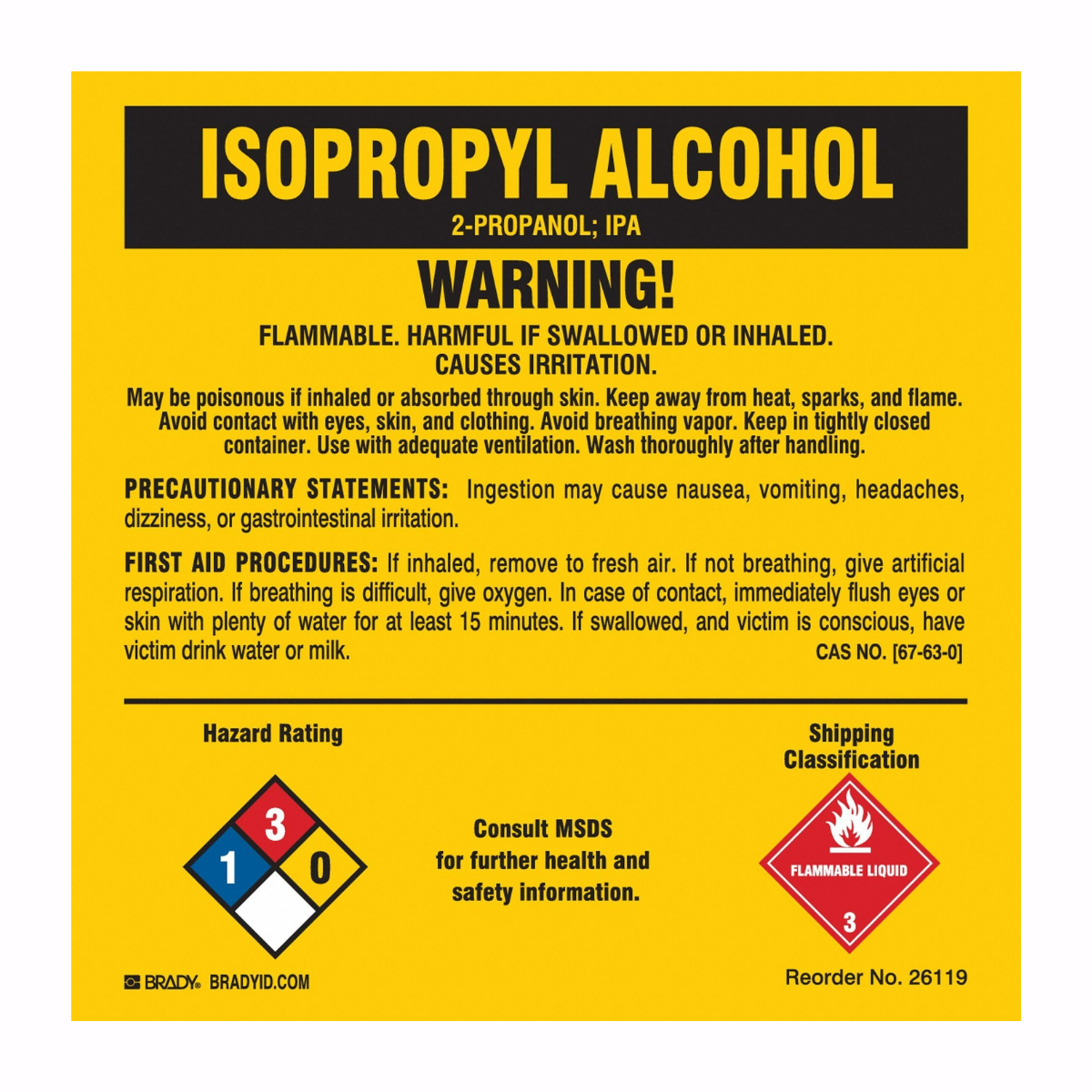
Choosing a professional chemical drum labels template is essential for creating labels that meet regulatory requirements. A well-structured template ensures cleanliness, readability, and compatibility with various container sizes, including large 55-gallon drums. You can find chemical drum labels free or as downloadable chemical drum labels pdf formats from reputable sources, but ensure they meet all required specifications.
Customizing Your Label Design
While templates provide a foundation, custom chemical drum labels often outperform generic designs by being tailored to specific needs. Custom designs can incorporate unique branding elements such as logos, color themes, and exclusive safety measures. Investing in Custom Chemical Drum Labels allows businesses to build a professional and trustworthy image while remaining compliant.
Printable Options
If you require convenience and flexibility, consider using chemical drum labels printable formats. These can be printed on-demand, streamlining the labeling process while keeping costs manageable. Ensure you use high-quality printers and durable materials to withstand harsh conditions such as extreme temperatures or chemical exposure.
Best Practices for Labeling 55-Gallon Drums
Labeling large drums, especially the commonly used 55-gallon drum, requires extra consideration. Due to their size, information on these labels must remain legible from a distance while being highly durable. The use of water-resistant adhesives, UV coatings, or laminated materials can ensure durability over time. Below is a table summarizing best practices:
| Requirement | Best Practice |
|---|---|
| Durability | Use weatherproof and chemical-resistant materials. |
| Size | Ensure visibility by scaling text and symbols to larger dimensions. |
| Compliance | Consult GHS and OSHA guidelines for required elements. |
Conclusion
Understanding the intricacies of chemical drum labels is a pivotal step in ensuring safety, compliance, and operational success across industries. From selecting the right drum label template to meeting strict drum labeling requirements, every element plays a vital role. If you’re ready to elevate your labeling strategy, work with industry professionals who understand your unique needs. Visit Label Printing Co today and let us guide you toward complete packaging solutions.
